Jantar Mantar Protest Sees CJP Demand for Talks Amid Government Standoff
The Citizens for Justice Party (CJP) continues its sit‑in at Jantar Mantar, calling for talks and demanding the resignation of Shadow Minister Dharmendra Pradhan. The government has agreed to negotiate at a neutral venue, though the protest remains firm on its demands.
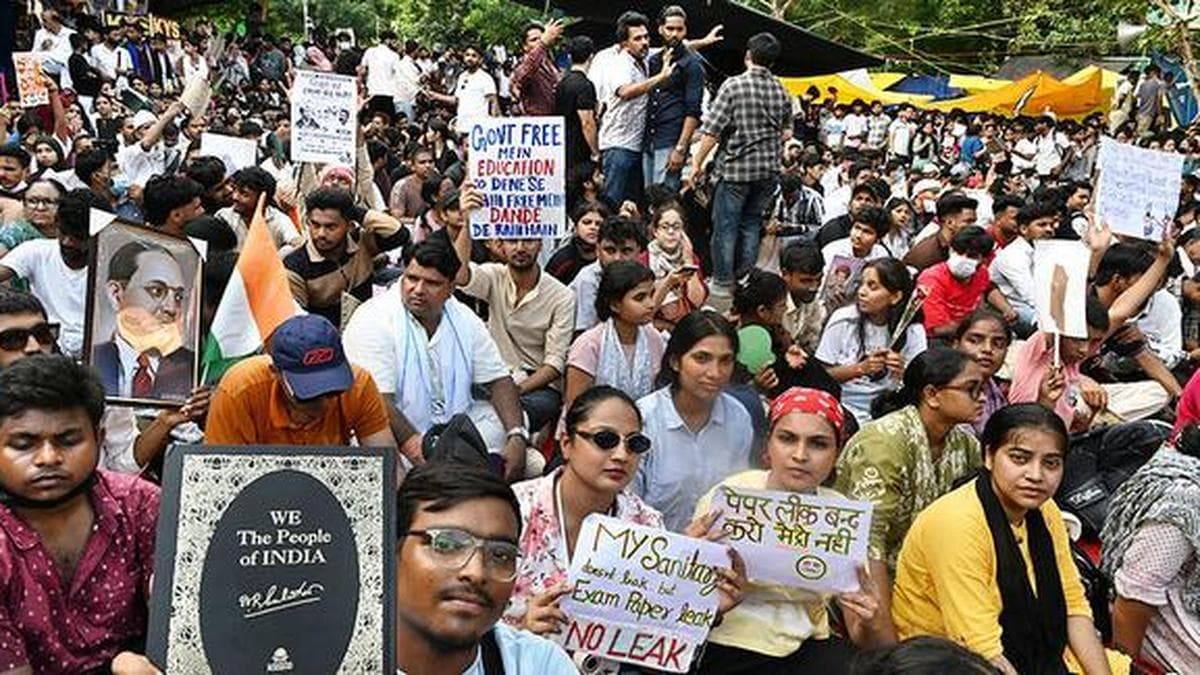
Background of the Sit‑In
In the early hours of Monday, the Citizens for Justice Party (CJP) commenced a peaceful protest at Jantar Mantar, a prominent public speaking spot in New Delhi. The group has been on a campaign for over a month, accusing the central cabinet of ignoring several key policy reforms. Their primary demand is the resignation of Dharmendra Pradhan, head of the ministry overseeing rural development, who they accuse of mismanaging public resources.
The Government’s Response
In a surprising move, the Ministry of Home Affairs announced that it would allow a meeting on Tuesday at a neutral venue. The institute stated that it was “serious about addressing the protesters’ concerns, but the demands must be reasonable.” However, the CJP spokesperson, Abhijeet Dipke, reiterated that the sit‑in will persist until Prime Minister’s resignation is secured.
Protest Activities and July 2024 Context
- Participants have set up a makeshift camp, complete with tents, sleeping mats and tea stalls.
- Speakers from the CJP plan to hold daily fire‑crackers and vigils to draw public attention.
- Law enforcement has been advised to use non‑lethal measures such as tear gas and water cannons only as a last resort.
- The CJP has officially declared the protest a “non‑violent, people‑powered movement.”
Key Takeaways for Delhi’s Political Landscape
- Had the talk resulted in a ceasefire, it would have signaled a shift in the government’s engagement with civil movements.
- Supporting the CJP, many activists argue that the government’s willingness to talk is proof of democratic resilience.
- Opponents fear that the talks could be a “window of concession” to build political capital for the ruling party.
As the protest moves forward, state and national media continue to monitor the developments. The coming days will decide whether the government’s initiation of talks will lead to a compromise ongeloof or further escalations in the memory of democratic protest.