Police take digital devices from a journalist in Gujarat
The Gujarat Police recently took laptops and phones from journalist Ravi Nair. This action has started a debate about the rules police must follow when taking personal electronic items.
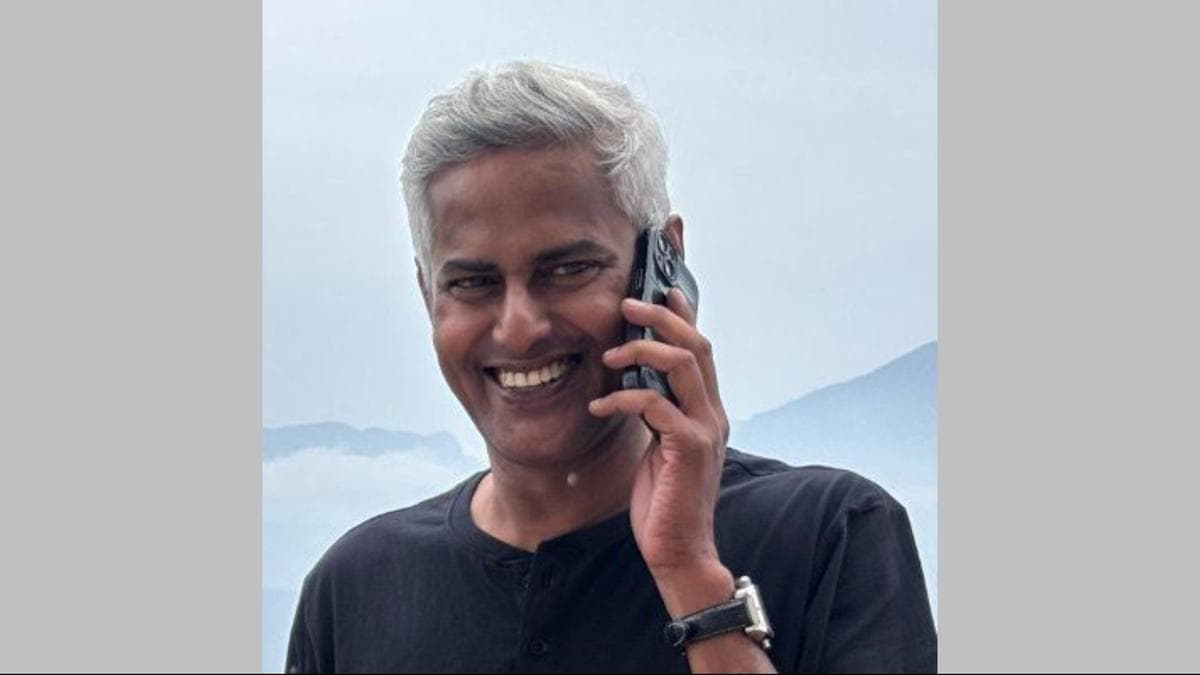
What happened
Police officers in Gujarat recently seized digital devices belonging to reporter Ravi Nair. The police took items like his laptop and phone. This has led to many questions about how much power the police have to take private technology from people during an investigation.
What are the rules
When police take someone's digital equipment, they are supposed to follow specific legal steps to protect privacy. These rules exist to ensure that the police do not look at private information that has nothing to do with their case. Key points about these laws include:
- Officers must have a valid reason to take digital items.
- Police should only look for information related to the crime they are investigating.
- People have the right to ask for a list of what was taken.
- Officers must keep the data safe so it is not changed or deleted.
Why it matters
For journalists, digital devices often hold information about private sources. If police take these devices, it could reveal who talked to the reporter in secret. People are now calling for clearer laws that protect a person's digital life from being searched too broadly.
What happens next
Legal experts and press groups are asking the government to set stricter guidelines. They want to make sure that the police cannot take devices without strong oversight from a judge. Until then, the situation remains a point of worry for those working in the media.